Planning an outdoor living project can feel a little like learning a new language.
You may hear terms like coping, geogrid, permeable pavers, or grading during a design consultation and even have a general idea of what they mean. But understanding the details can make a big difference when you're making decisions about your home.
After all, the materials and construction methods behind your outdoor space affect much more than just its appearance. They influence how comfortable the space feels, how well it handles weather, how much maintenance it requires, and how long it will last.
We know it seems like a daunting range of elements to learn about. But with this handy guide, you’ll sound like a hardscaping pro in no time.
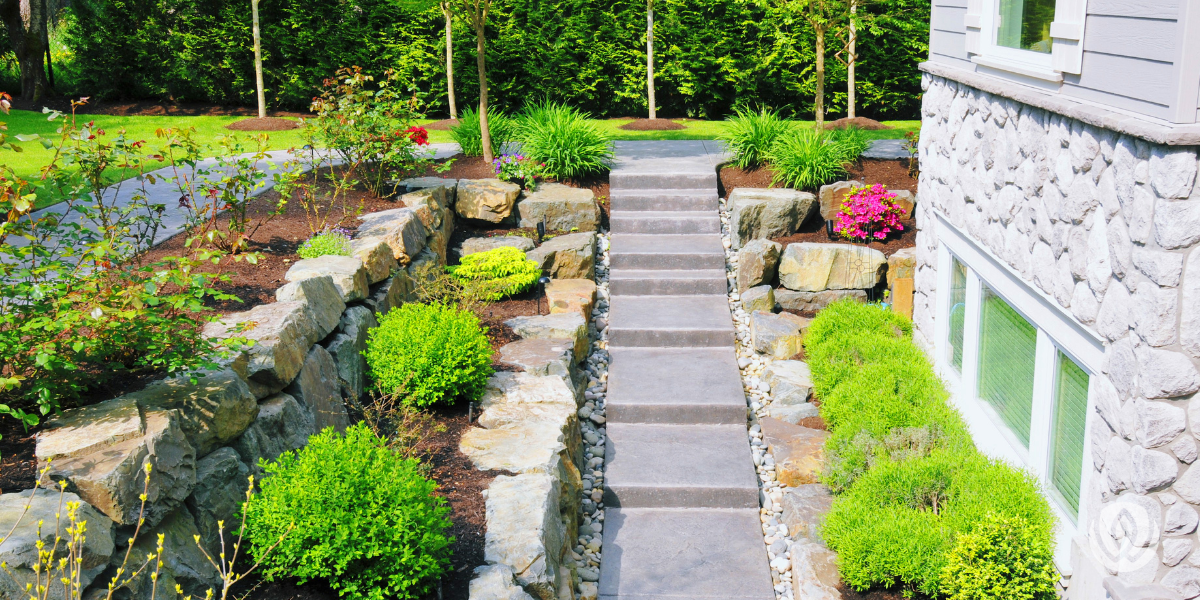
Hardscaping is, essentially, everything in your landscape that isn't actually living.
While landscaping includes plants, trees, gardens, and other natural elements, hardscaping provides the structure around them. Together, the two create a complete outdoor environment.
Common hardscape elements include:
Most luxury outdoor living projects combine several of these elements. The goal isn't simply to add features to your backyard. It's to create a space where architecture, landscape, materials, and circulation work together to support the way you want to live outdoors.
Understanding the terminology can help you make those decisions with confidence.
Here you’ll find many of the terms you're most likely to encounter when planning the larger landscape project of your dreams.
Base material is the foundational layer beneath a patio, driveway, or walkway. It's typically made from compacted gravel, crushed stone, or other aggregate materials.
You won't see it once the project is complete, but it plays an important role in determining how stable and durable the surface above it will be.
The depth and composition of the base depend on several factors, including the surface material, soil conditions, drainage, and how the space will be used.
It's one of those parts of a project that isn't visible when everything is finished, but quality construction starts below the surface.
A border is a framing element installed around a patio, driveway, or walkway.
It can be created using a contrasting paver size, color, material, or pattern to define the edges of a space and add visual interest.
A border may seem like a small design detail, but these details often make the difference between a surface that simply looks installed and one that feels intentionally designed.
A bullnose refers to a paver or stone with a rounded, finished edge.
You'll often see bullnose edges used for pool coping, bench seating, wall caps, and other areas where people may sit, lean, or walk alongside a finished edge.
The rounded profile is more comfortable than a sharp corner and gives the installation a softer, more finished appearance.
If you've seen a rounded edge on a kitchen countertop, it's the same basic idea applied to outdoor materials.

Composite decking is a manufactured decking material designed to provide the appearance of wood with less maintenance.
Unlike traditional wood, quality composite decking doesn't rot or splinter and generally doesn't require the regular staining and sealing that natural wood does.
For homeowners who love the warmth and look of a wood deck but want to minimize ongoing maintenance, composite decking can be a practical long-term option.
The right material ultimately depends on the look you're trying to achieve, how the deck will be used, and how much maintenance you're comfortable with.
Coping is the material that finishes the edge of a pool, hot tub, or raised structure.
It's the surface you step onto when entering or exiting a pool, so it has both a practical and visual role. It helps define the edge of the water while creating a finished transition between the pool structure and surrounding deck.
Coping can be made from materials such as natural stone, travertine, concrete pavers, or brick.
The material, color, texture, and edge profile all contribute to the overall appearance of the pool, and because it's something you interact with every time you use the pool, comfort matters, too.
A geogrid is a synthetic reinforcement material used to stabilize soil behind or beneath certain structures.
It's often used with retaining walls and other hardscape installations where slopes, soil conditions, or structural loads require additional reinforcement.
The geogrid itself is hidden once construction is complete. Its purpose is to strengthen the surrounding soil and help ensure the structure remains stable over time.
It's a good example of an important part of outdoor construction that you may never see, but that can have a significant impact on the longevity of your project.
Grading is the process of shaping the elevation and slope of your property.
It's an essential part of many outdoor projects because water needs to move in the right direction. A patio needs an appropriate slope for drainage. A pool needs to sit at the correct elevation. And water needs to be directed away from your home's foundation and other structures.
Proper grading can prevent problems such as standing water, erosion, and drainage issues later on.
It may not be the most exciting part of an outdoor project, but it is one of the most important.
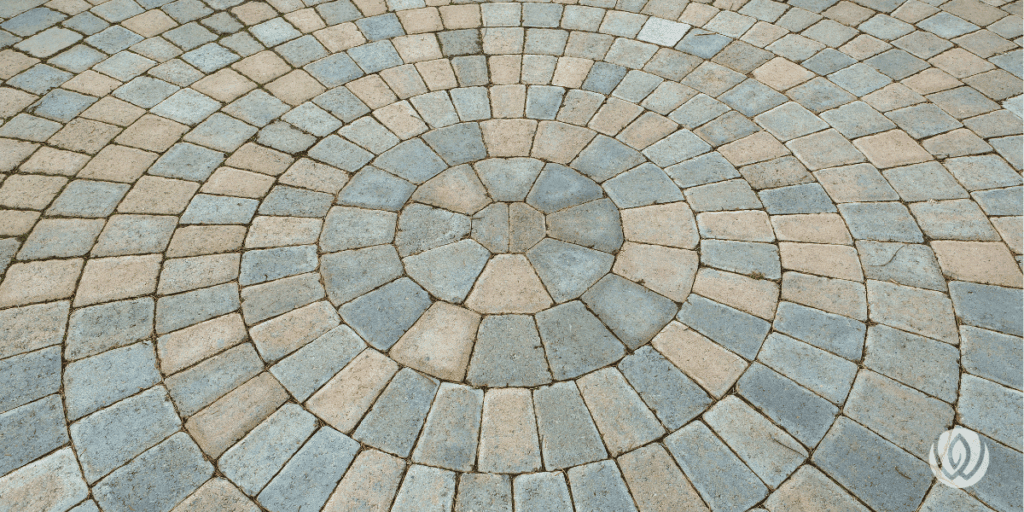
An inlay is a decorative pattern or design incorporated into a larger paved surface.
It could be a medallion in the center of a patio, a contrasting border, or a custom pattern integrated into a driveway or walkway.
Inlays provide an opportunity to add personality and detail to an outdoor space without overwhelming the overall design.
These smaller details can help make a project feel custom and connected to the architecture of your home.
Natural stone is quarried rather than manufactured. Common options include bluestone, flagstone, slate, and travertine.
One of the biggest advantages of natural stone is its individuality. Every piece has variations in color, texture, and pattern, creating a natural depth that manufactured materials are designed to replicate.
Natural stone can be a larger investment than some manufactured paver options, but its timeless appearance and ability to age beautifully make it a popular choice for luxury outdoor living spaces.
The right stone depends on the home's architecture, surrounding landscape, desired aesthetic, and how the space will be used.
An outdoor room is a defined area designed to function much like a room inside your home.
It could be an outdoor dining area, a covered lounge, an outdoor kitchen with a bar, or a patio centered around a fireplace.
The term represents more than a particular feature. It reflects an approach to outdoor living space design in which the backyard is treated as an extension of the home.
The layout, materials, lighting, furniture, and circulation are all considered together to create a space that feels intentional and comfortable.
Rather than simply adding features to a yard, the goal is to create places where you naturally want to spend time.
Pavers are manufactured units made from materials such as concrete or brick and are commonly used for patios, walkways, driveways, and other hardscape surfaces.
One of their biggest advantages is versatility. Pavers come in a wide range of colors, shapes, sizes, textures, and patterns, giving homeowners plenty of design options.
Because individual pavers can typically be removed and replaced, repairs can be more targeted than they would be with a single poured surface.
For homeowners looking for a durable surface with a wide range of aesthetic possibilities, pavers are a popular choice.

A pergola is an open-sided outdoor structure supported by posts with an open or latticed roof.
Unlike a fully covered structure, a pergola provides definition and some shade while maintaining an open connection to the surrounding landscape.
Pergolas are often used to create outdoor dining areas, lounge spaces, poolside retreats, or extensions of an outdoor kitchen.
A pavilion is similar in purpose but typically has a solid, permanent roof, providing greater protection from sun and weather.
Both structures can become architectural anchors for an outdoor living space while providing opportunities to incorporate lighting, fans, heaters, and other features.
Permeable pavers are designed with small spaces between the individual units that allow water to move through the surface and into the underlying gravel base.
Rather than allowing rainwater to run across the surface, the system helps manage runoff and can reduce standing water and erosion.
They can be particularly useful for properties with drainage challenges or areas where stormwater management is an important consideration.
Permeable pavers can also provide the aesthetic flexibility of traditional pavers while addressing a practical landscape challenge.
A retaining wall is a structural wall designed to hold soil in place on a sloped property.
Retaining walls can create level areas where they otherwise wouldn't exist, such as a patio carved into a slope, a pool terrace, or a series of garden beds.
But retaining walls aren't purely functional.
When carefully designed and constructed from materials that complement the home and landscape, they can become beautiful architectural elements in their own right.
A well-designed retaining wall can turn a difficult grade change into an opportunity for terraces, gardens, seating areas, or additional outdoor living space.

A seat wall is a low wall, typically around 18 to 24 inches high, designed to provide additional seating and define an outdoor space.
You'll often find seat walls around patios, fire pits, pools, and entertaining areas.
Unlike retaining walls, seat walls aren't primarily designed to hold back soil. Their purpose is to create boundaries and seating while maintaining a clean, integrated appearance.
For homeowners who entertain frequently, a seat wall can provide flexible seating without filling the patio with additional furniture.
A wall cap is the finished piece placed on top of a retaining wall or seat wall.
It's often slightly wider than the wall itself and may feature a rounded or bullnose edge.
Because the cap is one of the most visible parts of the wall, its material and finish can have a significant impact on the overall appearance.
Choosing a cap that complements nearby patios, steps, pool coping, or other hardscape elements is one way to create material continuity throughout the outdoor space.
It's easy to think of hardscaping as simply choosing the materials you like best, but the best outdoor living spaces are built through dozens of interconnected decisions.
That's why good design goes beyond simply selecting beautiful products. Every material and construction detail should support the larger vision for the property.
Understanding the terminology is a great first step, but every property presents its own opportunities and challenges.
At LiveWell Outdoors, we’re here to help you design the luxury outdoor living space you’ve always imagined. From grading and drainage to finishing touches, we’ll guide you in creating an outdoor environment that not only feels cohesive, but is built to last.
Schedule a call today and let's start designing the outdoor oasis your family deserves.
"*" indicates required fields