You’ve probably come across the term, “hardscape” while researching outdoor design. But what exactly does it mean?
The patio beneath your feet, the retaining wall holding back the slope, the outdoor kitchen where you entertain, the pool that anchors the backyard: all of it falls under the hardscape category. If it is built from stone, concrete, pavers, wood, or metal and fixed in place, it is hardscape.
When imagining the ideal backyard design concept, often people focus on the softscape elements: turf, shrubs, flowering plants, and trees that bring color and life to the outdoor space. But, in fact, great outdoor design works both elements together. Hardscape provides structure, function, and permanence, while softscape fills in the texture and seasonal character around it.
When planning a luxury outdoor living space, hardscape decisions are the most consequential ones a homeowner will make. They determine how the yard functions, how it looks year-round, and how well it holds up over the years to come. The decisions made before a shovel goes in the ground shape every outcome that follows.
If you are just starting to research hardscape terminology, our Hardscaping Terms Glossary covers the definitions you will encounter in every design and contractor conversation.

A patio is a ground-level outdoor living surface typically built from pavers, natural stone, or concrete. In a well-designed backyard, it does more than create a place for furniture. Its size, shape, and location help define where people dine, gather, move between the house and pool, or settle in around a fire feature.
Because patios sit at the center of so many outdoor plans, the layout needs to account for how the space will actually be used. If you are deciding between a patio and an elevated deck, our deck vs. patio guide explains where each option tends to make the most sense.
A deck is an elevated platform built from composite or wood materials, attached to the home or freestanding, that creates usable outdoor living space above grade. Decks are particularly suited to sloped lots where a ground-level patio would require significant excavation.
An inground pool is the most significant hardscape investment a homeowner can make, transforming the backyard into a full outdoor resort experience. The pool deck is where the pool experience really expands. It frames the water, gives you room to lounge, entertain, and move comfortably around the space, and helps set the tone for the entire backyard.
The right materials need to do more than look good. They should handle constant sun, moisture, splashing, and seasonal temperature changes without becoming slick, uncomfortable underfoot, or visually disconnected from the rest of the property.
That is why surface texture, heat retention, drainage, and durability all matter when choosing a pool deck material. If you are planning a new pool, our pool planning guide covers the bigger design decisions that shape how the entire space comes together.
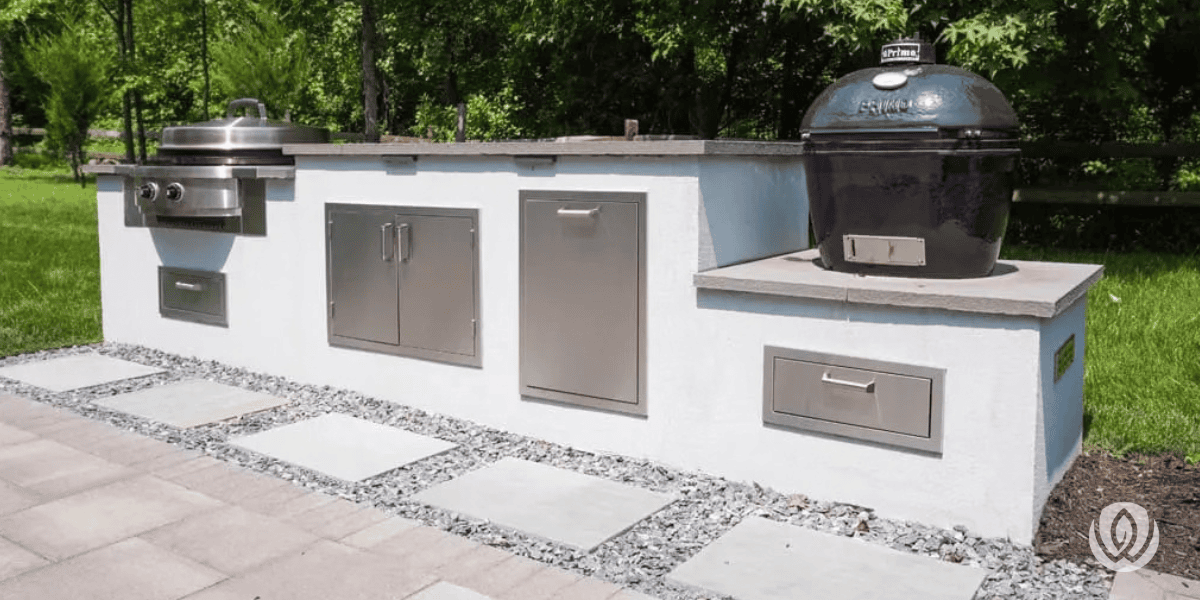
An outdoor kitchen brings the full cooking and entertaining experience outside, with built-in grills, countertops, refrigeration, and sinks designed for permanent outdoor installation. An outdoor bar, whether standalone or integrated with the kitchen, anchors the social zone of the outdoor space.
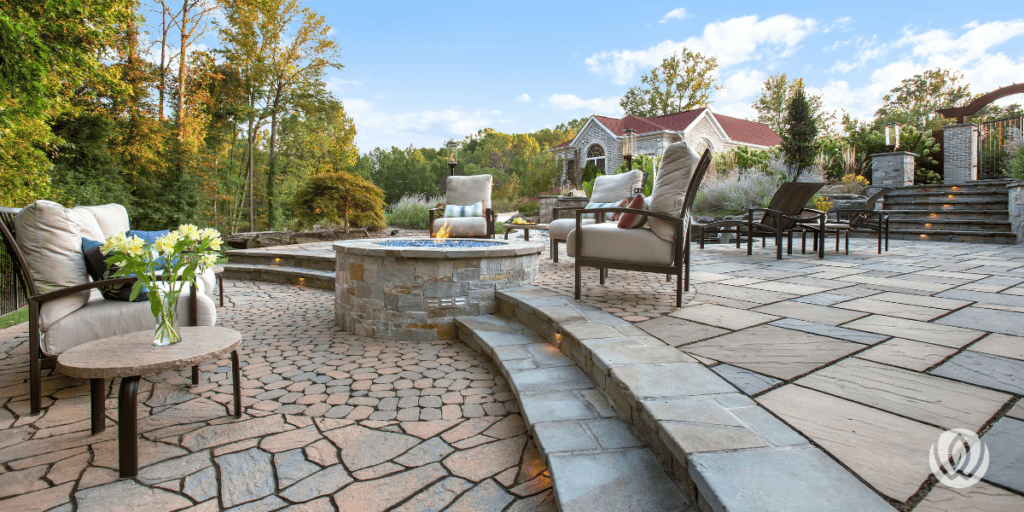
A built-in outdoor fireplace or fire pit extends the usable season of the outdoor living space well into fall and creates a gathering point that changes how the backyard gets used after dark. Fire features are typically built from natural stone, concrete, or masonry and designed to complement the surrounding hardscape materials.
A retaining wall holds soil in place on a sloped property, creating level usable areas where the terrain would otherwise prevent them. On properties with significant grade changes, retaining walls are both a structural requirement and a major aesthetic element of the overall design.
A pergola defines an outdoor space with an open-sided structure and latticed or beam roof, creating overhead structure for lighting, fans, and shade elements. A pavilion adds a solid roof for full weather protection. Both transform an open yard area into a defined outdoor room.
Pavers are manufactured hardscape units used for patios, walkways, driveways, and pool decks. They come in a wide range of sizes, shapes, and finishes, and individual units can be replaced without tearing up the entire surface. Natural stone is the premium alternative for applications where a unique, handcrafted look is the priority.
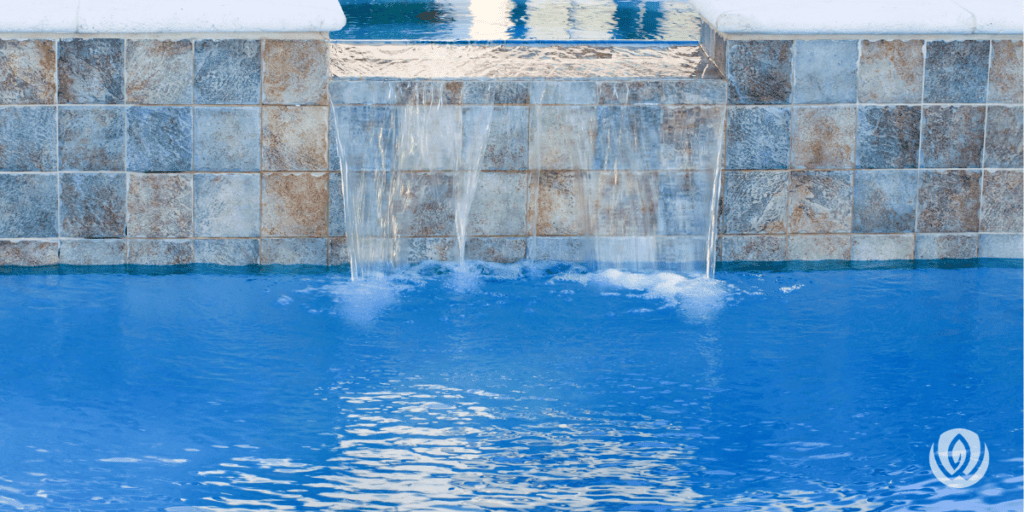
Water features include built-in pool waterfalls, standalone fountains, and decorative ponds that add movement and sound to the outdoor space. A waterfall integrated into a pool design or a feature wall completely changes how the space feels after dark.
Outdoor lighting is the hardscape element that extends the function of every other feature into the evening hours. Professionally designed landscape lighting uses layered ambient, accent, and task lighting to highlight the architectural and landscape features already built into the property.
For Maryland and Northern Virginia homeowners, permeable hardscape can be a smart choice for driveways and walkways where drainage matters.
Permeable pavers, pea gravel, and some types of natural stone allow rainwater to move through the surface and into the gravel base below, helping reduce runoff and standing water while still giving you the polished look of a traditional paved surface.
This matters in the Chesapeake Bay watershed, where runoff from impervious surfaces carries pollutants directly into local streams and ultimately into the Bay. The Chesapeake Bay Trust program offers rebates in some Maryland jurisdictions for replacing impervious surfaces with permeable alternatives. It is worth checking with your county before finalizing material selections for any driveway or large paved area.
Is hardscape more expensive than landscaping?
Generally, yes. Hardscape materials like natural stone, concrete, and quality pavers carry higher upfront costs than planting material, and the labor required to build permanent structures is more intensive. The long-term cost comparison often favors hardscape for homeowners planning to stay in the property for ten or more years, since it requires significantly less maintenance and outlasts most planted elements.
Does hardscaping increase home value?
Absolutely!. It can. Well-designed patios, decks, pools, and outdoor kitchens can make a property more appealing while giving you more usable living space to enjoy now.
What is the most durable hardscape material?
Natural stone, poured concrete, and brick are the most durable options, with properly installed natural stone and concrete lasting 50 years or more. Composite decking leads for elevated deck surfaces, carrying product warranties of 25 to 30 years. The durability of any material depends as much on the quality of the base preparation and installation as on the material itself.
How long does hardscaping last?
Quality hardscaping built on a proper base lasts 25 to 50 years depending on the material, with natural stone and concrete at the high end of that range. The most common cause of premature failure is inadequate base preparation, not the material itself. Learn how LiveWell approaches base preparation and installation on every project.
Do I need a permit for hardscaping?
The short answer is, It depends on the scope of your project. In Maryland and Northern Virginia, permits are typically required for decks, inground pools, retaining walls above a certain height, outdoor structures with roofs, and projects involving plumbing or electrical work. Ground-level patios and simple paver installations generally do not, though setback requirements and HOA approvals may still apply. At LiveWell Outdoors, we handle the permitting process as part of every project that requires it.
At LiveWell Outdoors, we believe that your backyard should feel as considered, polished, and personal as the most beautiful rooms inside your home.
Schedule a consultation today and let us help you turn the property you already love into the private outdoor retreat you’ve always dreamed of.
"*" indicates required fields